

Et panel kan se rent ud, når det forlader pressen, men fem minutter senere viser der sig en svag halvmåne under en lavvinklet lampe. Den timing føles uretfærdig, for arbejdet er jo allerede "færdigt". Ikke desto mindre følger sene bobler normalt en gentagelig mekanisme, og de samme løsninger bliver ved med at virke, når arbejdsgangen forbliver konsekvent. I denne artikel betyder udtrykket lcd-boble bobler, der dukker op efter pressen åbner, især halvmåner i hjørnerne og varmerelaterede nålespidser.
Hvorfor bobler opstår efter pressen åbner
Sene bobler starter ofte som mikroskopiske hulrum, der flades ud under kompression. Derefter, når trykket frigives, udvides indesluttet gas, og grænsen bliver synlig. Under et 6000K lavvinklet lys læses selv et 1-2 mm hulrum som en lys mønt.
Afkøling giver endnu et skub. En stak, der forlader en varm plade omkring 40°C og falder til et 24°C rum, ændrer klæbemidlets viskositet hurtigt. Som et resultat "slapper" grænsefladen af, og små lommer kan vokse nok til at blive synlige.
OCA fortsætter også med at fugte ud, efter cyklussen er afsluttet. Så et område, der så ensartet ud efter 10 sekunder, kan ændre sig efter 3 minutter. Denne forsinkede bevægelse forklarer, hvorfor sene bobler føles tilfældige, selv når årsagen forbliver stabil.
En almindelig refleks er at presse hårdere. Dog kan højere kraft forsegle kanter tidligt og indfange luft uden udvej. Derfor sigter de bedste løsninger normalt mod kontaktordenen, rensetiming og stabilisering efter laminering.
Årsagskategorier, der skaber sene bobler
Sene bobler er sjældent forårsaget af en enkelt dramatisk fejl. I stedet hober et par små variabler sig op og skaber det samme mønster igen og igen. Den mest nyttige tilgang er at gruppere årsager i kategorier, der hurtigt kan testes.
1) Forurening: støv, fnuller og fibre, der virker som afstandsstykker
En enkelt fiber kan holde glas væk fra klæbemidlet og blokere for vådliggøring. Derefter dannes et ringformet hulrum omkring dette punkt, som bliver synligt under afkøling. Hvis "midterpunktet" ser skarpt ud under forstørrelse, sidder forureningen normalt i midten.
Luftstrømmen på arbejdsbordet gør forureningen ujævn. I praksis samler kanter og udskæringer mere støv, fordi de er udsat længere. Derfor er en gentagen halvmåne i samme hjørne sjældent held.
Klodsets tilstand betyder også noget. En gammel mikrofiberklud fælder, og de fældede fibre lander præcis der, hvor den sidste aftørring fandt sted. Så et "rengøringstrin" kan blive et forureningstrin, hvis forbrugsvarer ikke kontrolleres.
2) Fugt og afgasning: usynlige film og senere gasudslip
Fugt behøver ikke at perle for at forårsage defekter. En tynd kondensfilm kan dannes, når glas flyttes fra kølig opbevaring til varmere luft, selv i 30-60 sekunder. Derefter brydes vedhæftningen lokalt, og boblen bliver synlig senere.
Afgasning ser anderledes ud. Når nålespidser vises efter varme, kommer gas ofte fra blæk, rammetape eller fugt i klæbemiddellaget. Dette mønster har tendens til at ligne peberkorn over synsfeltet, ikke en enkelt kuppel.
Fugtighedssvingninger afslører hurtigt denne kategori. Hvis defekter stiger på regnfulde dage eller efter HVAC-ændringer, fortjener fugtighedskontrol opmærksomhed, før trykændringer. En simpel RH-log to gange dagligt afslører ofte tendensen inden for en uge.
3) OCA-håndtering: stræk ved afrivning af liner, mikrokanaler og kantskade
Hurtig afrivning af beskyttelsesfolien skaber statisk elektricitet og strækker klæbemidlet ujævnt. Denne strækning kan danne mikrokanaler, som senere kollapser til "ormeformede" bobler. Selvom folien ser glat ud, kan grænsefladen stadig indeholde disse kanaler.
Peelvinklen er vigtig. En langsom, lavvinklet peel reducerer både statisk elektricitet og stræk, især på tynde film. Denne ene vane reducerer ofte gentagne linjedefekter i et batch.
Kvaliteten af kanten er en anden stille faktor. Sløve knive river OCA-kanter op og skaber mikrohuller, hvor luft overlever. Over tid viser disse mikrohuller sig som stædige kantbobler, der nægter at forsvinde.
4) Trykramp og kontaktordre: for tidlig forsegling af kanten
Kanter elsker at forsegle først. Når kanten forsegles tidligt, mister luften sin udgangsvej og forbliver fanget bag den første kontaktzone. Efter frigivelsen kan den lomme migrere og vise sig som en halvmåne nær en udskæring.
Pude slid forstærker dette. En slidt silikonepude udvikler høje punkter og skinnende områder, og disse områder forsegler tidligt. Hvis bobler gentages i samme område på tværs af flere modeller, fortjener pudens tilstand et hurtigt tjek.
Rampens adfærd betyder også noget. En for aggressiv rampe kan fange luft ved at forsegle tidligt, mens en for langsom rampe kan fange lommer, når klæbemidlet flyder. Målet er altså ikke "mere vakuum" eller "mere kraft", men gentagelig kontaktadfærd.
5) Termisk uoverensstemmelse: koldt glas, varm plade og ujævn befugtning
Koldt glas sænker befugtningen på en måde, der ligner tilfældige fejl. Hvis glas sidder ved 18-20°C, mens pladen varmer OCA hurtigere, fugtes grænsefladen ujævnt. Senere bliver denne ujævne grænse synlig under afkøling.
Overdreven varme kan også forårsage nye problemer. Når stakken kører for varmt, øges afgasningen, og små pletter opstår. Et "skummende" udseende efter varme er et klassisk tegn på, at materialestakken genererer gas.
Termisk chok efter cyklussen betyder også noget. En varm bakke, der placeres nær en AC-ventil, kan køle ujævnt og afsløre kantkrescenter hurtigere. Så hvileposition bliver en del af processen, ikke en eftertanke.
6) Geometri og stabling: hak, tapehøjde og justeringsafvigelse
Hak og buede hjørner ændrer kontaktordenen. Et hjørne, der berøres først, kan fange en kile luft bag sig, som senere bliver en halvmåne 2-6 mm fra kanten. Dette mønster er almindeligt på modeller med buede kanter.
Tapehøjde er en anden udløser. Hvis rammetape sidder for højt, løfter det glasset og blokerer vådliggøring nær kanten. Det skaber ofte en kantlinjeboble, der "vender tilbage" efter omarbejdning.
Forskydninger i justeringen skaber kanaler. Selv en forskydning på 0,3-0,5 mm kan skabe en smal kantsti, der fanger luft. Over et batch har den samme side tendens til at gentage sig, hvilket gør justeringsstop til en praktisk opgradering.
Hurtig diagnose-tabel: boblemønster → sandsynlig årsag → én handling at teste
Denne tabel er designet til at blive brugt hurtigt, under den samme lampe, med den samme bakke. Hvis den samme defekt optræder tre gange i træk, er det ikke held. Så en test med en enkelt variabel finder normalt synderen hurtigere end gentagen omarbejdning.
| Boblemønster | Viser sig | Typisk placering | Sandsynlig årsag | Én handling værd at teste på de næste 5 enheder |
|---|---|---|---|---|
| Halvmåne “måne” | 3–10 minutter efter pres | Hjørne, hak, kameraudskæring | Tidlig kantforsegling + kontaktordre + tapehøjde | Tilføj en 5-10 sekunders pause før fuldt tryk; bekræft tapehøjde; reducer åben lufttid |
| Lang kantlinje | Straks eller efter afkøling | Langs den ene kant | Tape for høj, fejljustering, pude slid | Udskift/vend pude; tilføj justeringsstop; dobbelttjek tapetykkelse |
| Enkelt kuppel | Lige efter frigivelse | Nær første kontaktpunkt | Lokal pude højdepunkt eller ujævn rampe | Flad underlag; rengør pude; juster rampe for glattere nedlægning |
| Peberkornsprikker | Efter varmecyklus | Over hele visningsområdet | Fugt + afgasning | Stram opbevaring; stabiliser RH; reducer toptemperatur en smule |
| "Orme"-linje | Efter liner-peel | Over midterområdet | Peel-stræk + mikrokanaler | Langsom afrivning i flad vinkel; reducer statisk; inspicér OCA-kanter |
| Klynge nær højttalerområde | Minutter senere | Øverste udskæringsregion | Fibre, der fælder + geometri | Tilføj sidste støvpass umiddelbart før presning; overdækket bakkeopsætning |
SOP: fra udpakning til hvile efter presning, med kontrolpunkter og grænseværdier
En god SOP er bevidst kedelig. Den fjerner "helte-handlingen" og erstatter den med gentagelig timing. Denne konsistens er det, der reducerer sene defekter og gør fejlfinding hurtigere.
Miljø- og materialegrænseværdier (udløser handlinger, ikke meninger)
RF under 35% har en tendens til at øge statisk elektricitet. Så når RF falder under det niveau, skal langsom afrivning af foring og ionisering behandles som obligatorisk, ikke valgfri. En langsom afrivning på 20 sekunder er ofte bedre end enhver senere redningstrin.
RH over 60% øger kondensrisikoen. Derfor, når RH stiger over dette niveau, bliver forseglet akklimatisering obligatorisk for alt glas, der kommer fra kølig opbevaring. En 15-20 minutters forseglet hvile forhindrer den usynlige film, der ødelægger befugtningen.
Glas opbevaret under 20°C fortjener særlig håndtering. Hvis koldt glas kommer ind i et rum på 24-26°C, kan kondens hurtigt opstå, selvom det forsvinder hurtigt. Så forseglet opsætning er den sikrere standard, når opbevaringstemperaturerne varierer.
Opsætning og forberedelse: reducer bevidst åben luft-tid
Dækkede bakker er vigtigere, end de lyder. Et simpelt låg reducerer aflejring af luftbårent støv, mens et parti venter. I et travlt rum kan støv lande på under et minut, især nær en døråbning.
Hold opsætningsområdet væk fra direkte luftstrøm. HVAC-ventiler skaber ujævn afkøling og bevæger støv i mønstre, der gentages. Et stabilt hjørne af bænken reducerer tilfældigt udseende klynger.
Bekræft forbrugsvarer ved skiftets start. En flosset klud, en beskidt rulle eller en klistret måtte, der er forbi sin bedste dag, kan forårsage fejl hele dagen. Denne ene minuts kontrol kan spare en times omarbejde senere.
Rengøringssekvens: fjernelse af olie, fjernelse af rester, derefter et sidste støvpas
En totrins aftørring er mere pålidelig end en enkelt aftørring. Ét pas fjerner olier, og et andet pas fjerner rester. Derefter bør et sidste støvpas finde sted lige før ilægning.
Timing er den centrale variabel her. Hold vinduet "sidste støvpas → presning" under 60 sekunder. Hvis et batch ligger udsat i to minutter, lander nyt støv ofte og bryder befugtningen.
Anvend ensartet belysning under rengøring. Et 6000K lavvinklet barlamelys viser striber og fibre, som overheadlys skjuler. Den samme lampe vil senere blive brugt til kvalitetskontrol, så den skaber en ensartet standard.
OCA-håndtering: langsom afrivning, lav vinkel og kantkontrol
Langsom afrivning reducerer statisk elektricitet og stræk. En lav vinkel ved afrivning mindsker også risikoen for, at der dannes mikrokanaler i klæbemidlet. Dette trin tager tid, men det giver normalt færre linjedefekter.
Inspicer OCA-kanter for revner eller folder. Selv en lille kantdefekt kan blive en vedvarende kantboble efter laminering. En 10-sekunders kantkontrol forhindrer ofte en fuld ombearbejdningscyklus.
Hold OCA fladt og forseglet, indtil det skal bruges. At rulle ark løst eller lade dem ligge åbne øger fugtoptagelsen og deformationen. Flad opbevaring og forseglet emballage reducerer afvigelse over dage.
Bonding/laminering: kontaktorden først, derefter trykstabilitet
Kontroller kontaktordenen så meget som muligt. Rullende kontakt eller gradvis nedlægning hjælper med at presse luft mod en udgangsvej. Et hårdt, fladt slag forsegler ofte kanter tidligt og fanger lommer bag hjørner.
Tilføj en kort hvile efter indledende kontakt. En 5-10 sekunders hvile, før fuldt tryk, kan forbedre befugtningen i stive zoner. Denne hvile reducerer ofte halvmåner nær hakker uden at ændre topkraften.
Kontroller pudens tilstand ugentligt. En slidt pude skaber lokale forseglinger og trykspidser, der forårsager gentagelige fejl. Hvis det samme hjørne fejler gentagne gange, skal pudens slid straks medtages på listen over mistænkte.
Hvile efter presning: planlæg "senblomstrings"-tjekket ind i processen
Umiddelbar inspektion overser sen blomstring. Så planlæg en hvile på 3-5 minutter efter pressen åbner, før den endelige inspektion. Denne hvile er lang nok til, at termisk aflejring afslører halvmåner.
Hold hvileområdet stabilt. Undgå at placere varme bakker på koldt metal eller i direkte luftstrøm. En blød måtte og et roligt sted nær maskinen holder afkølingsadfærden konsistent.
Inspicér under en lavvinklet lampe og vip langsomt. Et hurtigt blik under rumlys skjuler mikroskopiske hulrum. En langsom vipning på 20-30 cm afstand afslører grænseflader pålideligt.
QC: inspektionsmetode, tidspunkter og en minimal registreringsskabelon
QC er, hvor "ser fint ud" bliver til "er stabilt". Uden konsekvent QC slipper sene bobler igennem og viser sig efter samling. Derfor kræver QC-metoden den samme disciplin som laminering.
Belysning og vinkler (standardiser opsætningen)
Brug en 6000K lavvinklet barlampe som standard. Dette lys afslører kantkanaler og halvmåner bedre end loftsbelysning. En ringlampe kan hjælpe, men barlampen viser ofte lineære defekter hurtigere.
Hold en konsistent synsafstand. En afstand på 20-30 cm holder små grænseflader synlige uden at overdrive støj. Vip derefter panelet langsomt gennem mindst to vinkler, ikke kun én.
Tilføj forstørrelse kun efter behov. En hurtig kontrol ved 10x hjælper med at bekræfte kontamineringssignaturer. Hvis en skarp prik sidder i midten af en boble, er kontaminering sandsynlig.
Tidspunktskontrol (gør processen ærlig)
En hurtig kontrol lige efter pressen fanger åbenlyse fejl. En anden kontrol efter en 3-5 minutters hvile fanger defekter fra termisk sætning. En afsluttende kontrol efter afbobling bekræfter, at defekten ikke vendte tilbage.
Disse tidspunkter sporer OCA-afslapning. Gasudvidelse og viskositetsændringer sker under afkøling, ikke under kompression. Så at springe hvilekontrollen over skaber den "overraskelse" senere.
Sæt en bestået/ikke-bestået regel, der forbliver konsekvent. En lille boble skjult under en ramme kan være acceptabel i nogle arbejdsgange. En boble i visningsområdet skal behandles som en fejl, hver gang.
Minimal registreringsskabelon (lille nok til faktisk at blive brugt)
En skabelon til registrering bør passe på én linje pr. enhed. Hvis det tager to minutter pr. enhed, vil den blive sprunget over. Så skabelonen nedenfor sigter efter 20-30 sekunders skrivning.
Registreringsfelter:
Dato | Model | RH% | OCA-batch | Skrælningsstil | Vakuumtid | Plade-temp | Bobletype + placering | Resultat efter 30 min
Eksempelindgange (korte, realistiske):
-
2026-02-27 | 6.1" buet | 42 | OCA-A17 | langsom/lav | 60s | 40°C | halvmåne, øverst til højre 4mm | væk efter debubble
-
2026-02-27 | 6.1" buet | 42 | OCA-A17 | hurtig/opad | 60s | 40°C | ormelinje midt-venstre | vendte tilbage efter 30 min
-
2026-02-27 | 10.5" panel | 58 | OCA-B03 | langsom/lav | 90s | 38°C | prikker over hele området | reduceret, stadig synlig
-
2026-02-27 | 6.7" flad | 33 | OCA-A17 | langsom/lav | 60s | 40°C | halvmåne nær hak | forbedret efter hvile
-
2026-02-27 | 6.1" buet | 65 | OCA-A17 | langsom/lav | 60s | 40°C | prikker efter varme | værre, opbevaring strammet
Disse fem linjer fortæller allerede en historie. Skrælningsstilen korrelerer med ormelinjer, og relativ fugtighed korrelerer med prikker. Det er præcis sådan, fejlfinding bliver hurtigere.
Afboblingslogik: hvad tryk og varme kan løse, og hvad de ikke kan
Afbobling er ikke et magisk viskelæder. Det virker, når grænsefladen stadig kan væde ud og kollapse hulrummets grænse. Det fejler, når kontaminering eller igangværende udgasning fortsat genererer defekter.
En praktisk mental model hjælper: tryk komprimerer gasvolumen, og kontrolleret varme sænker klæbemodstanden. Sammen tillader disse to effekter mikro-hulrum at krympe og undertiden forsvinde. Det bedste resultat opnås dog, når rodårsagen allerede er blevet reduceret opstrøms.
Når afbobling virker bedst
Hjørnehalvmåner reagerer ofte godt. Disse defekter kommer normalt fra indfanget luft og tidlig kantforsegling, ikke hårde partikler. Når klæbemidlet blødgøres let, og trykket komprimerer lommen, kan grænsen kollapse.
Grænselinjer kan forbedres, når pudeslid eller tapehøjde er korrigeret. I så fald bliver afbobling en stabilisator snarere end et redningstrin. Nøglen er at korrigere den opstrømsårsag, før cyklussen gentages.
Enkeltkuppelbobler kan også reagere, især når kuplen er glatkantet. Dog kan en kuppel forårsaget af en pudes højdepunkt vende tilbage, medmindre understøtningsoverfladen er fastgjort. Så en hurtig pudekontrol bør ske først.
Når afbobling kæmper
Forureningsdrevne bobler har en tendens til at vende tilbage. En fiber eller støvpartikel forbliver på plads, og grænsefladen kan ikke væde rundt om den. Tryk kan krympe den synlige grænse, men centerpartiklen forbliver.
Ormelinjer fra mikrokanaler er ofte modstandsdygtige. Hvis kanaler er indbygget i klæbende grænseflade, kan linjen genopstå under afkøling. Langsommere afskrælning og statisk kontrol reducerer disse bedre end ekstra cykler.
Prikker fra udgasning kan forværres med varme. Hvis materialestakken genererer gas under varme, kan mere varme skabe flere prikker. Så opbevaring, RH-kontrol og materialekontroller bliver hovedløsningen.
Trinvise cyklusser: "hvorfor" bag segmentering af tryk og varme
En forsigtig varm fase blødgør grænsefladen uden at belaste kanterne. Herefter komprimerer en stærkere trykfase resterende hulrum. Denne sekventering reducerer fristelsen til at køre en lang, varm cyklus, der skaber nye problemer.
Trinvis cyklusser beskytter også geometri-tunge samlinger. Hakker, hjørner og stive blækzoner ser først belastning. En gradvis tilgang reducerer kantstød og mindsker risikoen for nye kantdefekter.
Stopbetingelser er vigtige. Hvis en defekt vender tilbage efter 30 minutter gentagne gange, løser cyklussen ikke den grundlæggende årsag. På dette tidspunkt er opstrømsløsninger en bedre investering end længere cyklusser.
Eksempler på afboblingsudstyr (tilpasset almindelige scenarier)
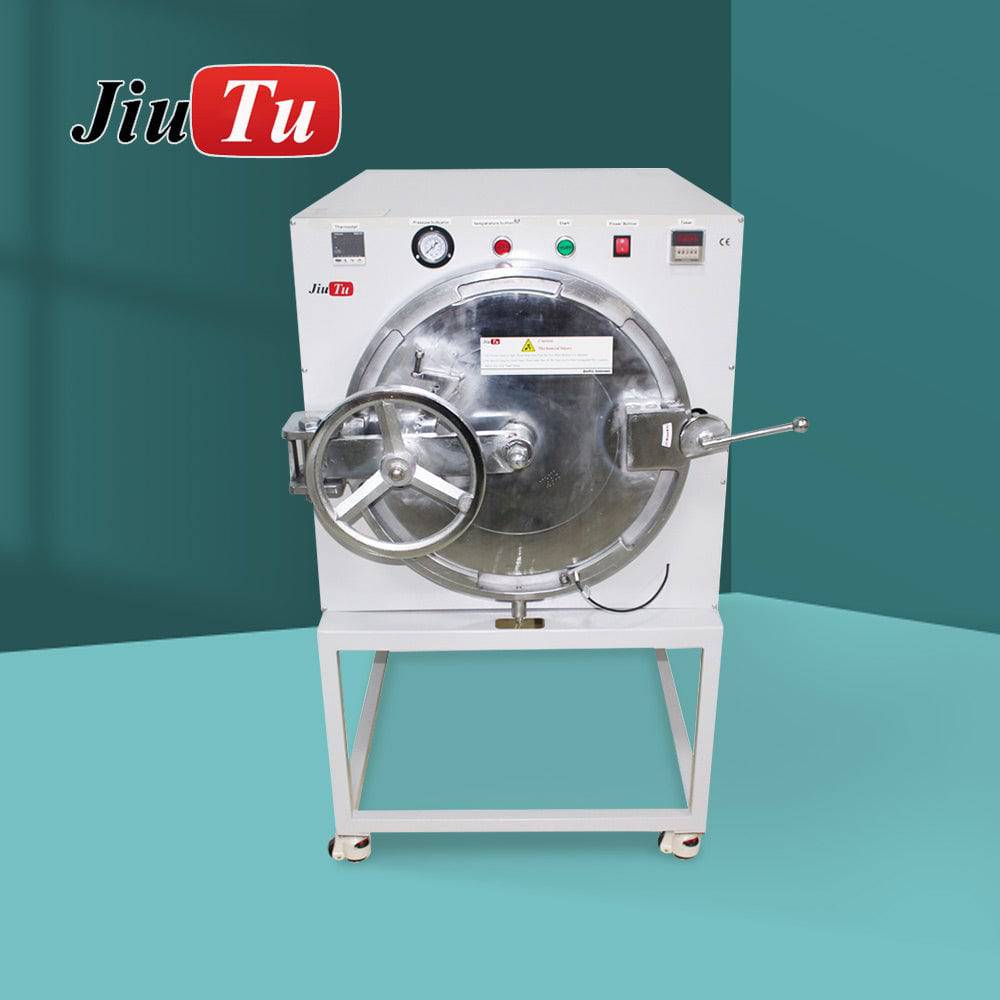
Kompakt afbobling understøtter telefon- og tabletvolumen med stabil batch-tempo. Kammerstørrelsen gør påfyldning enkel, hvilket reducerer hjørnestød og håndteringsdrift. Cyklusrytmen passer ofte ind i en 15-25 minutters løkke, mens forberedelsen fortsætter.
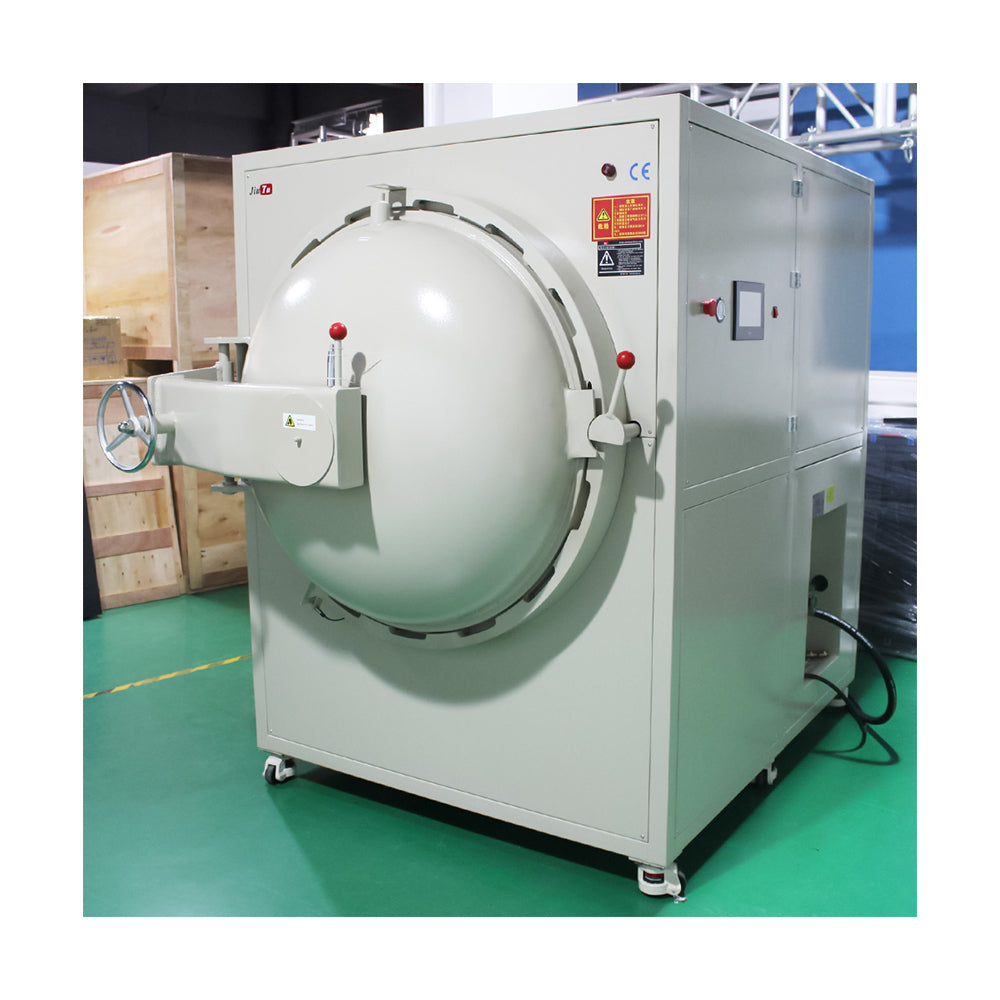
Afbobling med stort kammer understøtter bonding af dækglas og bredere paneler, hvor båndbobler og lange grænselinjer opstår. Større fixturer og fladere stabling hjælper med at opretholde ensartet tryk over store overflader. Dette format reducerer også belastningsspænding på 10-15 tommer paneler.
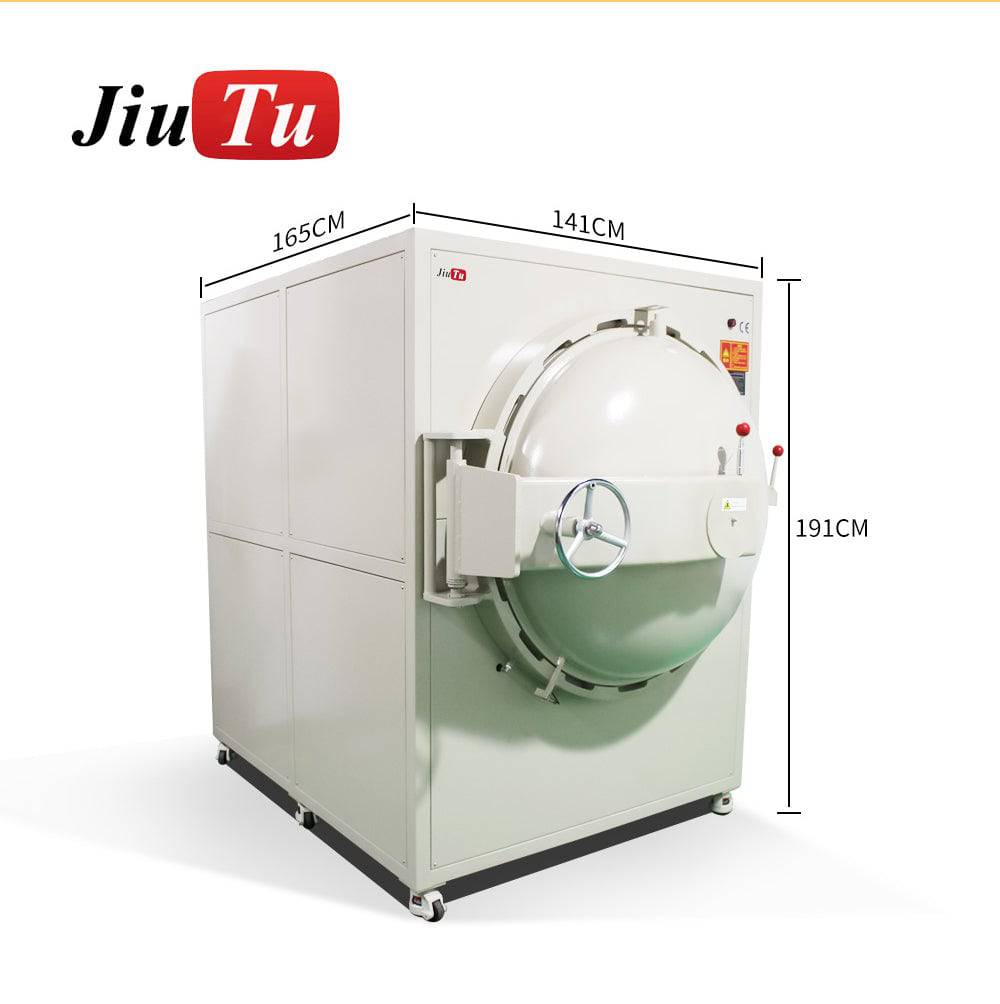
Segmenteret højtryksafbobling hjælper mod genstridige kantzoner, især nær stive blækkanter og forstærkede hjørner. En kontrolleret sekvens kan komprimere resterende hulrum, efter grænsefladen er blødgjort. Denne tilgang reducerer ofte behovet for genlaminering ved geometridrevne defekter.
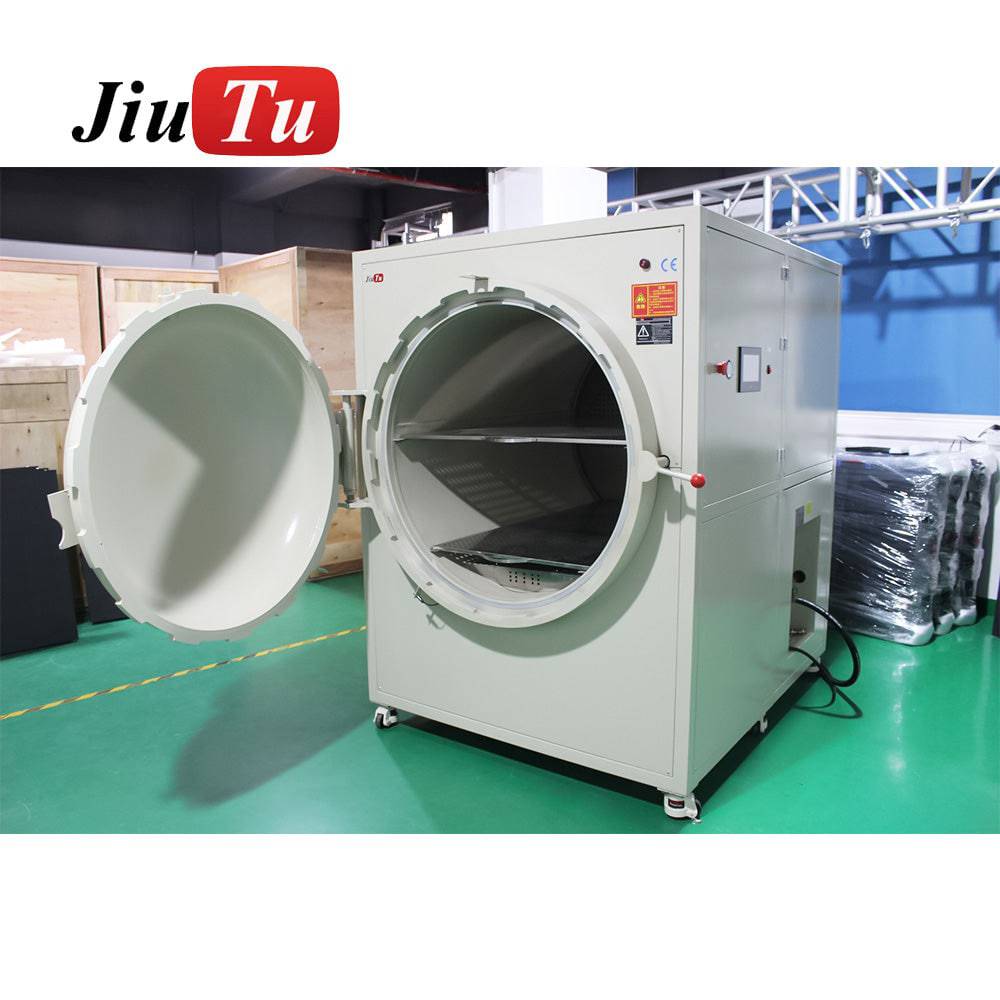
Batch-autoklave-stil afbobling understøtter blandede arbejdsbyrder og gentagelig stabilisering på tværs af bakker. Dette format hjælper med at holde output forudsigeligt, når modeller ændrer sig dagligt. Afkølingsdisciplin er stadig vigtig, da hurtige temperaturfald kan forårsage sene tilbagevendende fejl.
Vedligeholdelse: tjeklisten bag stabile resultater
Vedligeholdelse er der, hvor "en dårlig dag" ofte starter. En proces kan se identisk ud på papiret, men slidte pakninger og våde luftledninger ændrer stille og roligt resultatet. Så en simpel tidsplan holder systemet stabilt.
Daglige kontroller (5-8 minutter, realistisk tempo)
Tør støtteplader og bakker af ved skiftets afslutning. Klæbemiddelrester opbygges langsomt og skaber lokale kontaktproblemer. En ren plade hjælper med at opretholde forudsigelig kontaktadfærd.
Tøm vandfælder på luftledninger. Fugt i ledningen kan skabe trykustabilitet og kondensationsadfærd. En 30-sekunders aftapning forhindrer timers inkonsekvente resultater senere.
Inspicer klude og klæbende måtter. Hvis en klud fælder eller en måtte stopper med at gribe fnug, bliver den en kontaminationskilde. At skifte en klud tidligt er billigere end at omarbejde ti enheder.
Ugentlige kontroller (20-30 minutter, stor effekt)
Kontroller slidet på silikonepuder under lavvinkellys. Skinnende pletter og ujævn tekstur korrelerer ofte med gentagne bobleplaceringer. Rotation eller udskiftning af puder kan hurtigt nulstille en process, der er i drift.
Kontroller vakuumpakninger og tætninger for slid. En lille lækage virker måske ikke dramatisk, men den reducerer fjernelse af mikroskopiske hulrum. En simpel træk-ned-test med en standard dummy-belastning kan afsløre afvigelser.
Rengør ionisatorer og værktøjer til statisk kontrol. Ophobning af støv reducerer effektiviteten, og statiske problemer ligner rengøringsproblemer. At holde ionisatorer rene undgår at jage den forkerte rodårsag.
Månedlige kontroller (processtabilitet over tid)
Kontroller trykstabilitet og kontrolkalibrering. Langsom drift kan gøre afboblingsresultater inkonsekvente uge efter uge. En grundlæggende kalibreringsrutine forhindrer scenariet "samme indstillinger, nye problemer".
Gennemgå defektloggen for mønstre. Hvis den samme model fejler i samme hjørne gentagne gange, fortjener geometri og kontaktorden en målrettet løsning. Hvis prikker stiger i et bestemt RH-område, fortjener fugtighedskontrol opmærksomhed.
Gem eller omarbejd: en beslutningsramme, der reducerer spildte cyklusser
Ikke alle bobler fortjener gentagen afbobling. Nogle defekter sidder strukturelt "fast", fordi kontaminering blokerer vædning. Så en klar regel om at gemme eller omarbejde forhindrer tab af tid.
Mønstre der kan reddes (når grænsefladen stadig kan væde ud)
Glatkantede halvmåner nær hjørner kan ofte reddes. Disse indikerer normalt indespærret luft bag en tidlig forsegling. Afbobling kan kollapse grænsen, når grænsefladen blødgøres let.
Glatte kupler kan også reddes. Hvis kuplen kom fra en ujævn rampe, forhindrer korrigering af kontaktordenen ofte, at den vender tilbage. Afbobling bliver derefter stabiliserings-trinet, ikke det eneste trin.
Grænselinjer kan reddes, når tapehøjde og slid på puder er taget hånd om først. Efter denne korrektion rydder en stabiliseringscyklus ofte resterende mikrohulrum. Nøglen er at rette den mekaniske årsag, før cyklusser gentages.
Omarbejdsningsmønstre (når en fysisk blokering forbliver inde i grænsefladen)
En boble med en skarp midterprik indikerer ofte en fiber eller partikel. Tryk kan krympe grænsen, men partiklen forbliver, og defekten vender tilbage. Dette mønster kræver normalt omarbejdning med strengere timing og renere opsætning.
Ormelinjer fra stræk ved afskalning kræver ofte opstrøms korrektion. Hvis mikrokanaler dannes under afskalning, eliminerer ekstra cyklusser sjældent linjen permanent. Langsommere afskalning og statisk kontrol reducerer gentagelse bedre end længere cyklusser.
Prikker, der forværres med varme, indikerer ofte udgasning. I så fald kan mere varme gøre mønsteret værre. Opbevaringsdisciplin, RH-stabilisering og materialekontrol er de mere pålidelige løsninger.
Casestudie: 20 enheder, et gentaget hjørne og en klar rodårsag
Et almindeligt scenarie ser sådan ud. En batch på 20 telefonpaneler kører over to timer på en travl arbejdsbænk. Efter laminering viser 15 enheder en halvmåne nær den øverste udskæring, der dukker op 5-10 minutter senere.
Dette mønster peger væk fra "dårlig klæbemiddel". Placeringen gentages for konsekvent til tilfældige filmdefekter. Den øverste udskæringszone ser også mere håndtering og flere geometriændringer, hvilket øger sandsynligheden for tidlig forsegling og fiberaflejring.
En lille test isolerer årsagen. Arbejdsgangen ændrer kun én variabel ad gangen: langsom, lav afskalning erstatter hurtig, opadgående afskalning, en sidste støvpas bevæges til inden for 60 sekunder efter indlæsning, og dækket bakkeopsætning reducerer tid i åben luft. Derefter kører fem nye enheder med de samme presseindstillinger.
Resultaterne bliver normalt hurtigt tydelige. Hvis halvmåner falder skarpt i de fem, var rodårsagen arbejdsgangstiming og kontaminationsrisiko, ikke spidsbelastning. På det tidspunkt er den permanente løsning den kedelige: hold timingen stram og hold opsætningen dækket.
En anden test kan bekræfte det mekaniske lag. Tapehøjden nær udskæringen måles og justeres om nødvendigt, da høj tape kan løfte kanter og tvinge tidlig forsegling. Når tapehøjden er stabiliseret, bliver afbobling et afsluttende trin i stedet for en redning.
Dette er også, hvor kontrolleret bonding hjælper. En konsekvent Optisk bondingmaskine arbejdsgang kan gentage kontaktadfærd på tværs af enheder, hvilket gør disse tests mere pålidelige. Når bondingtrinet forbliver stabilt, kan procesloggen afsløre rodårsager hurtigere end gætværk.
Anbefalet opsætning og valglogik: tilpasning af udstyr til bobletype og arbejdsbelastning
Valget bliver lettere, når den daglige arbejdsbyrde er klar. En telefonfokuseret arbejdsbænk kræver en anden kammerstørrelse og fiksturstrategi end en linje, der bonder 15-tommer paneler. Så at matche udstyr til den største regelmæssige opgave forhindrer belastningsstress og inkonsekvent stabling.
En praktisk parringsmentalitet: bonding-kontrolpunkt + stabiliseringskontrolpunkt
En tilgang med to kontrolpunkter reducerer omarbejdningsløkker. Bonding skaber grænsefladen med gentagen kontaktadfærd. Afbobling stabiliserer den grænseflade og kollapser mikro-hulrum, der overlever pressen.
Denne tilgang reducerer også eksponering for åben luft. Færre genlamineringssløjfer betyder færre chancer for, at fnug lander igen. Over en uge viser den reduktion sig ofte som færre gentagne hjørnehalvmåner.
For arbejdsgange, der håndterer buede kanter og blandede modeller, er et gentageligt bonding-trin vigtigt. Det er her, en Optisk Bondingmaskine opsætning passer naturligt, fordi gentagelighed gør boblemønstre lettere at diagnosticere. Når resultaterne er konsistente, viser små opstrømsændringer klare resultater.
Valg af kammerstørrelse: reglen om "største regelmæssige opgave"
Et kammer, der lige akkurat passer, opmuntrer til forhastet indlæsning. Forhastet indlæsning øger hjørnestød og justeringsdrift. Et lidt større kammer gør indlæsning roligere og mere gentageligt.
Fixturplads er også vigtig. Flade bakker med separatorer reducerer trykspidser og aftryksmærker. Selv et lille mellemrum mellem enheder kan forbedre ensartet opvarmning og trykfordeling.
Prioritering af kontrolstabilitet frem for ekstreme specifikationer
Stabil temperaturkontrol er vigtigere end den højest mulige varme. Stabil trykadfærd er vigtigere end den højeste topværdi. I praksis reducerer gentagelighed defektdrift over uger.
Sikkerheds- og udluftningsadfærd påvirker tempoet. Forudsigelig udluftning reducerer forhastet aflæsning, hvilket reducerer termisk chok. Reduceret termisk chok sænker sandsynligheden for sene returneringer efter en cyklus.
Naturlig integration af bonding-udstyr i arbejdsflowet
Arbejdsbænkens layout er vigtigt. Hvis paneler flyttes hen over et rum mellem trin, samler de støv under transporten. At holde bonding, inspektion og afbobling inden for én zone reducerer den eksponering.
Programmerbar kontaktadfærd hjælper på skærme med mange geometriske detaljer. Buende kanter og hakker fungerer bedre, når kontaktordenen forbliver kontrolleret. Derfor evaluerer mange linjer en Optisk Bondingmaskine mulighed baseret på arbejdsflow-pasform, ikke markedsføringspåstande.
Almindelige fejl, der skaber sene bobler (og hvorfor de slår fejl)
Fejl gentager sig, fordi de føles "effektive" i øjeblikket. Alligevel betales den tid, der spares på ét trin, ofte tilbage med omarbejde. Dette afsnit fremhæver de vaner, der skaber de fleste sene defekter.
Fejl 1: tørre rent, så vente "bare et minut"
Et rengjort panel, der er blottet, er en støvmagnet. Selv 90 sekunder nær fodgængere kan samle nye fibre. Derfor skal vinduet "sidste støvtørring → ilægning" holdes stramt.
Fejl 2: Trække foringen hurtigt af for at "holde klæbemidlet rent"
Hurtig aftrækning skaber ofte statisk elektricitet. Statisk elektricitet trækker fnug direkte ned på overfladen, især under 35 % RH. Så aftrækningshastigheden ender med at gøre det modsatte af, hvad den var beregnet til.
Fejl 3: Jage bobler med mere kraft
Mere kraft kan forsegle kanter for tidligt og fange luft. Når luft er fanget, har den færre flugtveje. Så kraft forvandler ofte en lille lomme til en sen halvmåne.
Fejl 4: Varme hårdere, når der opstår spidser
Spidser efter varme indikerer ofte afgasning. Mere varme kan generere mere gas. Det bedre træk er opbevaringsdisciplin og RH-kontrol, derefter blid stabilisering.
Fejl 5: Springe 3-5 minutters hvilekontrol over
Øjeblikkelig inspektion overser senblomstrende fejl. Uden hvilekontrollen viser defekter sig senere under samlingen. Det skift får boblen til at føles "tilfældig", selv når årsagen er stabil.
Fejl 6: Ignorere pudeforringelse, fordi puden "stadig ser fin ud"
Puder slides ujævnt. En lille høj plet kan skabe en lokal forsegling, der fanger lommer. Hvis det samme hjørne fejler gentagne gange, er pudeforringelse sjældent uskyldigt.
Fejl 7: Stabling af bakker for tæt under afbobling
Tæt stabling reducerer ensartet opvarmning. Det kan også skabe problemer med trykfordelingen på tværs af bakken. Små mellemrum mellem enheder forbedrer ofte stabiliteten uden at ændre indstillingerne.
Fejl 8: Behandle enhver defekt som reddes
Kontaminationsdrevne defekter vender normalt tilbage. Gentagne cyklusser spilder tid og øger håndteringsrisikoen. En klar regel om at redde eller omarbejde forhindrer den sløjfe.
Ofte stillede spørgsmål: de spørgsmål, der opstår, når sene bobler bliver ved med at vende tilbage
Hvorfor ser et panel fint ud, og viser så en boble senere?
Mikrohuler flades ud under kompression og bliver synlige efter frigivelse. Afkøling ændrer også viskositet og stress, hvilket afslører grænser, der tidligere var skjulte.
Hvorfor samles halvmåner nær hjørner og hakker?
Hjørner og hakker ændrer kontaktsekvensen. Tidlig forsegling fanger luft bag det første kontaktpunkt. Senere bliver den fangede lomme en halvmåne 2-6 mm fra kanten.
Hvorfor vises spidser efter en varm cyklus?
Spidser kommer ofte fra fugt og afgasning i stakken. Varme kan forstærke gasfrigivelsen fra blæk, tape eller opbevarede klæbematerialer.
Hvornår giver omlaminering mere mening end afbobling?
Når et skarpt partikelspor sidder i midten af en boble, er kontamination sandsynlig. I så fald kan afbobling kortvarigt mindske grænsen, men defekten vender normalt tilbage. Omarbejde med strengere timing og renere opsætning er den pålidelige vej.
Hvordan kan fejlfinding blive hurtigere uden ekstra værktøj?
En kort log slår normalt gætteri. Dato, model, RH, aftrækkerstil, vakuumtid og bobleplacering kan afsløre mønstre inden for en uge. For en procescheckliste, der understøtter denne logningsmetode, er LCD-boble en nyttig reference.
Hvilke ændringer reducerer typisk "sene bobler" hurtigst?
Stramning af åben lufttid og kontrol af aftrækningsstil giver ofte hurtige gevinster. Derefter bestemmer kontaktsekvens og pudens tilstand normalt, om halvmåner fortsat gentager sig.
Handlingspunkter: tre trin, der normalt betaler sig hurtigt
Sene bobler bliver håndterbare, når arbejdsgangen behandler dem som et processignal, ikke en overraskelse. Med en stabil SOP viser defekter mønstre, der kan løses resolut. Når den samme defekt gentages, er løsningen normalt upstream timing, ikke mere kraft.
-
Log bobletype + placering for 10-20 enheder, og behandle gentagne zoner som den virkelige ledetråd.
-
Hold "sidste støvtørring → pressepåfyldning" under 60 sekunder, især i områder med meget trafik.
-
Brug et konsekvent stabiliseringskontrolpunkt, og undgå gentagne cyklusser for kontaminationsdrevne defekter.
Inden for denne struktur ophører LCD-boble med at føles tilfældig og begynder at føles løsbar.