

Adhesive Bonding Machine: How to Match Material and Process
Choosing an adhesive bonding machine sounds easy until real work starts. A machine can look powerful in a product sheet and still feel awkward in daily use if the material stack, loading motion, and inspection habit do not match the actual job. The best result rarely comes from chasing the biggest machine or the most technical-sounding setup. It usually comes from choosing the process that feels calm on the bench, repeats cleanly through the day, and still looks reliable when the finished part is checked again under harder light. This guide focuses on what readers actually care about in real work: how to judge fit, what signs reveal trouble early, how to use the process more confidently, and how to match product choice with recurring jobs instead of abstract specifications.
Contents
- What an adhesive bonding machine really means in daily work
- Best use scenarios: repair, refurbishment, and display assembly
- How to judge material and process before comparing machines
- A more practical bonding workflow
- Judgment skills, use methods, and signs worth watching
- How to choose the right setup without buying the wrong kind of power
- FAQ
- Further reading
What an adhesive bonding machine really means in daily work
In everyday production or repair work, an adhesive bonding machine is not just a device that presses two layers together. It is the point in the workflow where separate materials start behaving like one finished structure. That sounds simple, but anyone who has spent time around screen repair, optical bonding, or larger display rework knows that this is exactly where hidden problems begin. One stack needs short transfer and stable alignment. Another needs broader support and a calmer vacuum stage. A third looks clean immediately after processing but reveals small edge issues only after rest or under angled light.
That is why the machine should be judged by how the process feels, not by how dramatic the specification list looks. A suitable setup makes the operator feel less rushed. It reduces the need for rescue movements during loading. It helps the panel sit more naturally. It makes inspection less suspenseful. In a good process, the bond does not just look acceptable in the first five seconds. It keeps looking acceptable later, when the part has rested and the light becomes less flattering.
In smaller workflows, especially phone and tablet repair, the right machine often disappears into the rhythm of the work. It does not constantly ask for special handling. It does not make the operator overthink every transfer. It simply supports repeatability. In larger display adhesive bonding work, the role becomes more obvious. The setup must manage area, support, and visual consistency, and the machine becomes part of a broader process cell rather than a single station. In both cases, the real question stays the same: does the machine reduce instability, or does it only look capable while the operator quietly does too much of the work?

Best use scenarios: repair, refurbishment, and display assembly
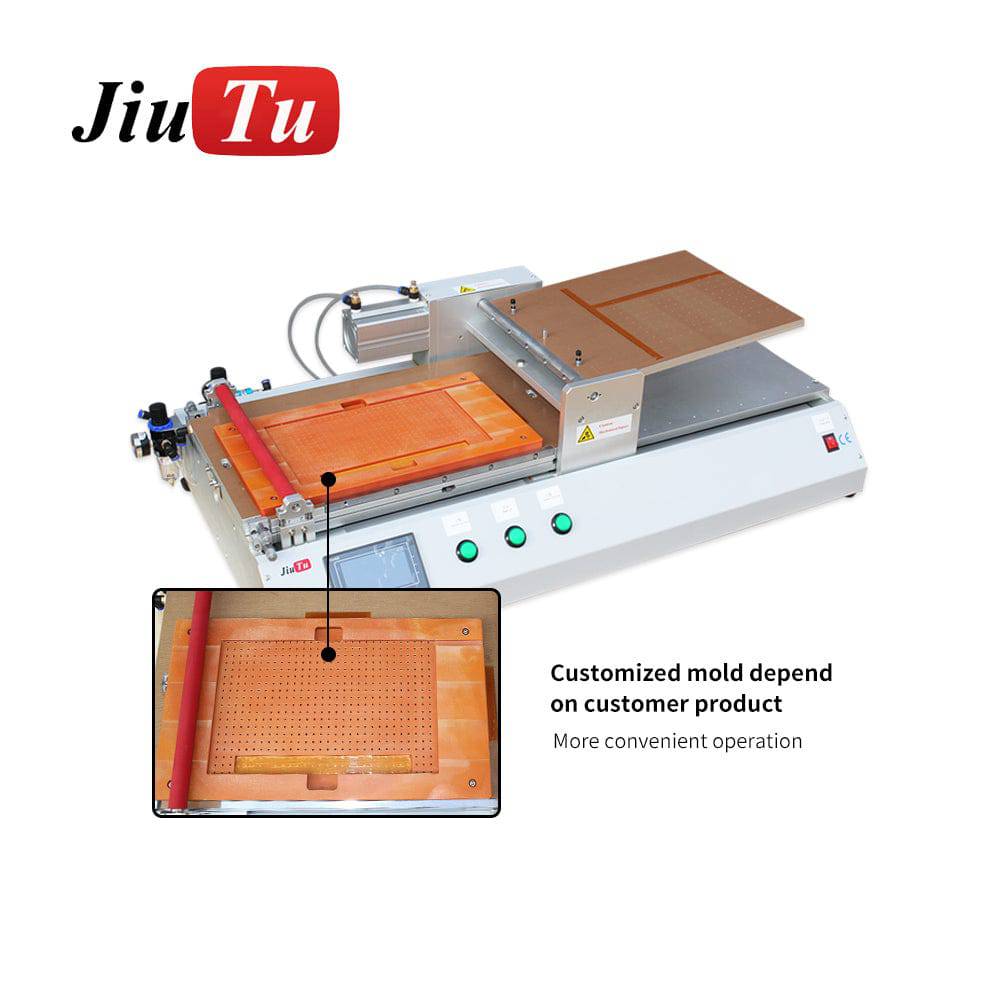
Different workflows ask for different kinds of calm. Phone repair is usually a rhythm problem. A technician might move through repeated jobs quickly, and the main challenge is not brute force or giant panel coverage. The challenge is keeping alignment, transfer, and handling clean even after the tenth or twentieth repeat. In this kind of flow, a compact machine or film-oriented process often wins because it removes friction. Shorter motion, clearer fixture reading, and easier reset all help the process stay human-friendly.
Refurbishment work sits in a more complicated middle zone. One workshop may start with phones, then slowly take on tablets, automotive screens, or industrial touch displays. That kind of growth changes what “fit” means. A setup that felt efficient with smaller parts may begin to feel stretched as the bonded area grows. Long edges become more sensitive. Support matters more. Transfer begins to feel less forgiving. That is where a more display-oriented adhesive laminating machine can become the better direction, because the process is no longer just about film placement or quick turnaround. It is about broader-area consistency and steadier contact over a larger surface.
Industrial or larger display assembly adds another level of seriousness. Here, the process can no longer rely on small-hand corrections or “close enough” handling. A corner issue that seems minor on a small panel can become a costly rework pattern on a larger module. The machine, the support method, the mold choice, and the finishing logic all begin to matter together. Readers in this category usually care less about abstract claims and more about one plain question: if this machine runs all week, will it still feel stable when the easy sample panel is gone?
Smaller repair flow
Best when the station keeps transfer short, handling simple, and repeat loading easy to recover. In this environment, consistency usually comes from rhythm and bench logic rather than raw size or force.
Larger display flow
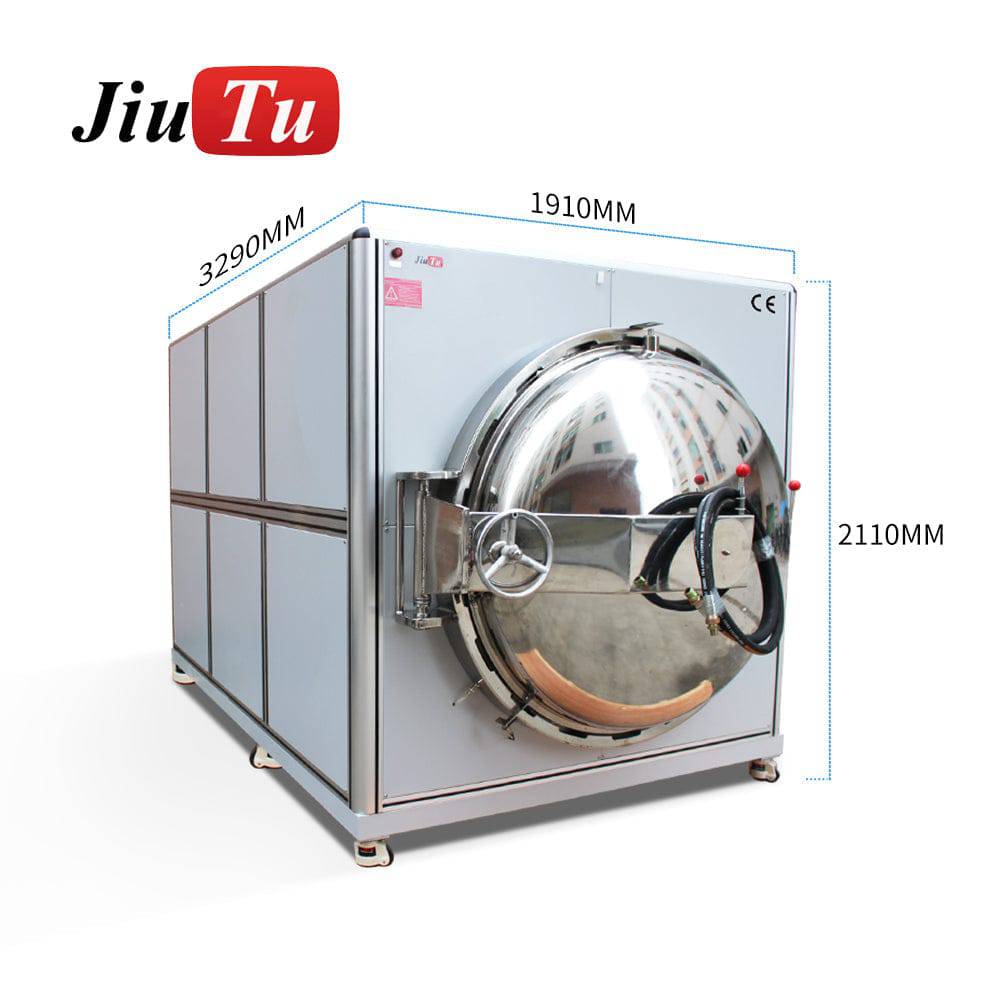
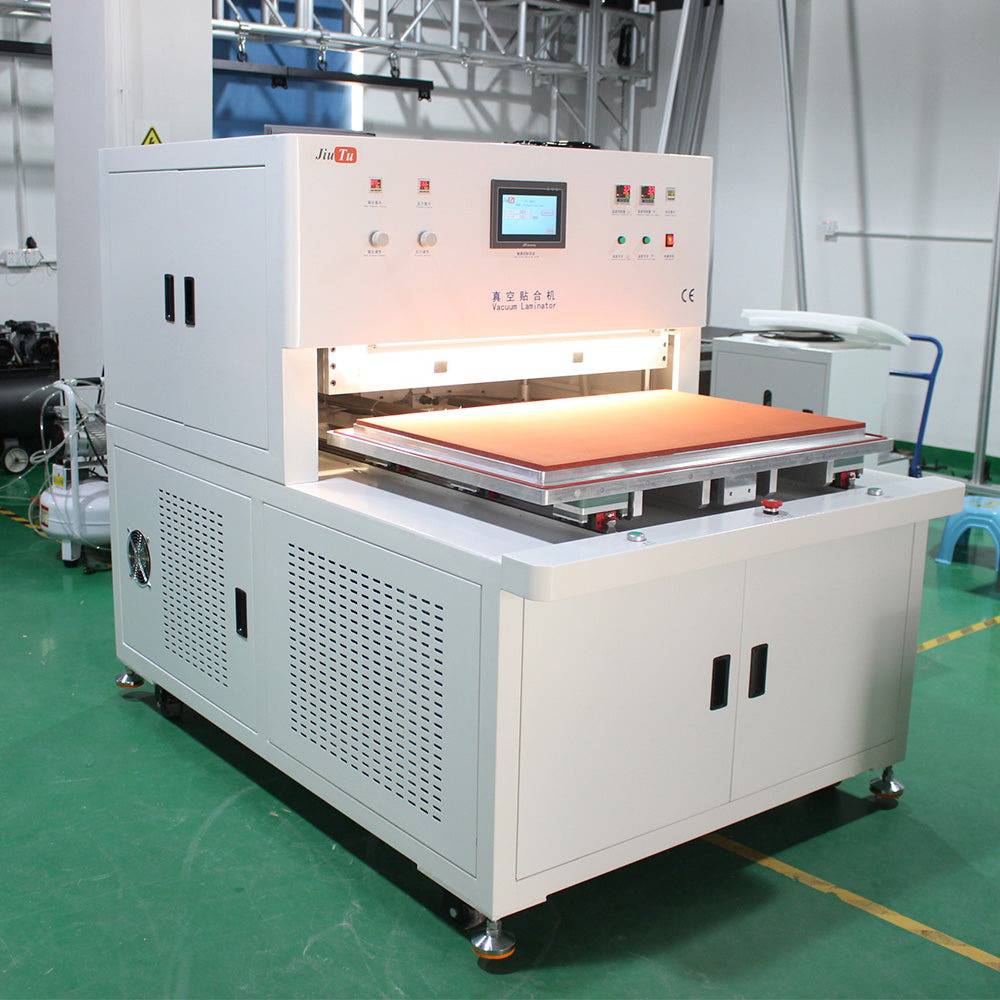
Best when the setup supports broader area, calmer vacuum behavior, and less operator rescue. Once displays become larger, support and visual stability become part of the process itself.
There is also a very practical emotional difference between these environments. Smaller jobs encourage rushing because they feel manageable. Larger jobs encourage overconfidence because the equipment looks serious. Both reactions can create the same weak point: the process starts depending on operator intervention instead of process stability. A better machine choice is one that makes those bad habits harder to fall into.
How to judge material and process before comparing machines
The biggest mistake in machine selection is comparing categories before writing the stack clearly. Start with the actual contact pair. Is the job mainly glass to OCA film? Glass to touch panel? Front glass to a display structure? Once the stack is written plainly, the process becomes easier to judge because the real material behavior stops hiding behind generic language. This step sounds basic, but it often changes the whole conversation.
After the stack is clear, the next useful question is not “Which machine is strongest?” but “Where does this stack usually go wrong?” That answer is far more valuable. If the problem is transfer drift, repeated re-alignment, or awkward model change, the setup probably needs a simpler handling path. If the problem is trapped air over area, unstable long edges, or visual defects that appear later, the setup probably needs a more controlled vacuum-led process. If finishing keeps being asked to hide problems created earlier, the line may need a better upstream match rather than just a stronger last-stage tool.
Support should be judged early, especially when readers are dealing with display adhesive bonding. A panel that already feels uncertain while being loaded rarely becomes more stable just because the cycle continues. The machine should help the material feel supported before force and heat do their work. That is where good setups begin to separate themselves from good-looking product pages.
Another useful judgment skill is reading defects by location instead of by frustration. Center defects, edge defects, and corner defects often tell different stories. The center can hide weak support at first. Edges reveal flow and contact problems earlier. Corners are often the least forgiving part of the whole panel. Anyone choosing between machines should train themselves to look at these zones differently, because it becomes much easier to see whether the process mismatch is about fixture logic, motion path, or bonding stage.
| What the job feels like | What it often means | Better machine direction |
|---|---|---|
| Fast repeated phone or tablet jobs, frequent resets | Handling rhythm matters more than heavy machine presence | Compact OCA or film-oriented setup |
| Larger panel support feels uncertain during loading | The process needs calmer area control and steadier transfer | Vacuum-led lamination setup |
| First result looks fine, later inspection shows edge or haze issues | Upstream contact and stability are not truly settled | Review vacuum and workflow, not just finishing |
| Operator must “help” the panel too often | Fixture or motion path is doing too little work | Improve support logic before chasing more force |
A very common mistake is assuming bigger means safer. Sometimes it does. Sometimes it only slows a smaller workflow and adds unnecessary complexity around a task that should feel quick and repeatable. The opposite mistake also happens often: a light station keeps being stretched into larger jobs until the operator becomes the missing part of the machine. The best setup usually lives between those extremes and is chosen around the hardest regular job rather than the most impressive rare one.
A more practical bonding workflow
Many bonding articles make the process sound too clean. They reduce the entire workflow to a tidy sequence and skip the part readers actually deal with: the awkward seconds, the bench habits, the visual checks, and the point where one small shortcut turns into hours of avoidable rework. A practical workflow should feel realistic enough that a reader can picture it happening on a real bench or inside a real line.
1. Name the stack before touching the part
This is the first act of control. Before processing starts, the operator or team should be able to state exactly what is meeting what. That single habit changes the rest of the job because it stops the process from becoming vague. Once the stack is clearly named, it becomes easier to decide how much support, how much transfer care, and what inspection focus the part will need.
2. Make the bonding moment short
Preparation is not only about cleanliness. It is also about rhythm. The part should reach the bonding stage after the noisy tasks are already out of the way. No extra reaching, no searching for a tray, no clearing space while holding the part. These seconds matter because unstable handling often starts in exactly this moment. Shorter, cleaner transition creates calmer results.
3. Align for survival, not just appearance
A lot of operators can achieve a beautiful-looking alignment at rest. The real question is whether the setup survives transfer. A fixture that looks accurate but allows subtle movement is not really accurate in a production sense. Readers should evaluate whether the alignment remains trustworthy during the motion into bonding, not just before it.
4. Let vacuum do meaningful work
In larger display processes, vacuum is not a decorative prelude to pressure. It is part of the actual bonding logic. When this stage is rushed, the system starts asking later steps to correct problems they were never designed to solve fully. A better workflow respects the vacuum stage as a stabilizing step, not just a countdown before the main action.
5. Finish with honest expectations
Pressure finishing or debubble is valuable, but it should be settling a good bond rather than covering an unstable one. This mindset matters because it changes how teams interpret failure. If the same issue returns after finishing, the answer may be earlier in the process. That is not bad news. It is useful news. It means the line can still become more honest and more stable.
6. Inspect in ways that reveal, not flatter
Many weak processes survive because inspection is too kind. A face-on glance is not enough. The more useful habit is to tilt the part, read the corners early, and revisit the result after a short rest. This is especially important for display adhesive bonding, where a broader surface can look clean at first and still hide long-edge or corner problems until the light changes.
Seen this way, workflow is not just a sequence of actions. It is a way of keeping the process from lying. Each stage should reduce uncertainty, not move it downstream. Readers who adopt that mindset usually become much faster at separating a machine problem from a handling problem or a support problem.
Judgment skills, use methods, and signs worth watching
This is often the section readers remember most, because it speaks to what the work actually feels like. A good bonding process usually improves through small observations rather than one dramatic fix. Once people start reading the job more clearly, machine choice and daily use both become easier.
Watch corners before trusting the center
The center often behaves politely. It can look smooth even when the process is only partially stable. Corners and edges are much less generous. They expose support weakness, trapped air, and small motion mistakes earlier. During testing, start there. When corners stay calm, the rest of the panel usually has a better chance of staying honest too.
Take “almost fine” seriously
One of the most expensive feelings in this kind of work is the sense that something is probably good enough. A panel needs a tiny rescue nudge. The transfer feels a little awkward but still possible. The fixture is close enough. These moments seem harmless because nothing dramatic happens. Over time, they create unstable output. A strong process should reduce how often “almost fine” appears.
Reduce motion before increasing force
When results drift, many teams instinctively search for more pressure, stronger hardware, or heavier settings. Sometimes the more useful fix is simply less chaos. Move the tray sooner. Clear the path. Simplify the transfer. Make the fixture easier to read. Especially in compact repair workflows, reducing motion can improve consistency faster than increasing machine intensity.
Let one problem stay one problem
Weak troubleshooting often changes too many variables at once. Pressure changes, support changes, operator technique changes, and by the end nobody knows what solved anything. Better troubleshooting isolates one weak point and lets the result speak clearly. This approach is slower emotionally, but faster in truth.
Build the process around the job that returns every week
Every workshop has a recurring part or panel type that quietly defines the line. It may be a common phone model, an iPad repair workflow, a car display, or an industrial touchscreen size that keeps coming back. That recurring job should shape the buying choice and the station layout more than the rare one-off challenge. Readers who do this usually stop overspending on capability they barely use, while also avoiding the trap of underbuying for the work that actually drives revenue.
- Write the real material stack before starting the cycle.
- Make the path into bonding short and uncluttered.
- Judge whether alignment survives transfer, not only whether it looks neat before movement.
- Read the corners and long edges first.
- Check the part again after a short rest.
- Change one variable at a time when troubleshooting.
- Buy and tune for the hardest regular job, not the most flattering sample piece.
There is also a human layer here that matters more than people admit. Backlogs create impatience. Repetition creates shortcuts. Large machines create overconfidence. Small jobs create rushing. A better machine choice is one that quietly protects the line from those habits. When a setup is truly matched, people need fewer hero moves. Normal behavior becomes enough.
How to choose the right setup without buying the wrong kind of power
The easiest buying rule is also the one people ignore most often: buy for the hardest regular job, not the easiest successful sample. A clean demo can make nearly any machine look convincing. The real test is what happens when the line is busy, the operator is tired, and the recurring work must still feel controlled. That is where process truth shows up.
For smaller-screen repair and routine refurbishing, a compact setup often wins because it supports rhythm. The process stays readable. The bench stays less cluttered. Model changes do not become a burden. Readers in this category usually get more value from clean repeatability than from oversized capability.
For mixed work, where phones, tablets, automotive displays, and industrial panels start sharing the same floor, flexibility matters more. This is the point where a broader machine type becomes easier to justify, because the process is no longer serving one narrow behavior. It must absorb different sizes and different support needs while still remaining understandable to the operator.
For larger display or industrial work, the decision should be approached as system matching, not just product buying. The bonding stage, finishing logic, and inspection habit should all be considered together. A strong machine cannot save a weak support method forever. A clean first result cannot excuse an inconsistent workflow. The more serious the display work becomes, the more important this whole-cell thinking gets.
Questions worth asking before placing an order
What is the recurring stack this setup is really best at? What kind of handling does it assume? Which problems does it reduce directly, and which problems still depend on operator behavior and fixture quality? Can sample testing be done with realistic support rather than an ideal display piece? These questions are practical, and that is exactly why they help.
What good sample testing actually looks like
Good testing should reveal weakness, not hide it. Use a real recurring job. Watch loading and transfer, not only the finished surface. Recheck the result after a short rest. If possible, run more than one cycle so the machine begins to show its real character. Calm is a surprisingly good sign. A setup that feels uneventful in repeated work is often a healthier long-term choice than one that produces one dramatic success piece.
Three buying mistakes that repeat again and again
Choosing too large too early. This often comes from wanting future-proofing. The intention is understandable. The result can be months of slower daily work built around a future workload that has not really arrived.
Choosing too light for display-oriented jobs. This happens when a smaller process is asked to stretch too far into larger panel work. At first it seems manageable. Later, support and repeatability start exposing the mismatch.
Ignoring internal linking between guide content and products. From a content and conversion point of view, readers should be able to move naturally from educational sections into relevant product pages. That is why this article includes clean dofollow internal links like adhesive bonding machine and optical bonding adhesive machine inside helpful context instead of hiding product intent at the very end.
The best purchase usually feels less like “buying more machine” and more like finally making the workflow make sense. The operator stops having to save the process. The panel sits more naturally. The inspection stage becomes less dramatic. The whole job feels more boring in the best possible way.
Need a product path that matches the actual workload?
If the goal is to match one real stack, one real panel size range, or one recurring defect pattern, it helps to compare product type and process type together. Start with the job that comes back most often, then narrow the machine around that reality.
Explore adhesive bonding machine | Explore adhesive laminating machine options
FAQ
What is the real difference between an adhesive bonding machine and an adhesive laminating machine?
In practical use, the names often overlap. The more useful difference is process role. A bonding machine describes the stage where controlled contact is created between layers. A laminating machine often points more directly to the lamination task itself, especially when the workflow moves beyond simple film handling into front glass and display assembly.
Which machine type is usually better for phone repair and smaller screen work?
For repeated smaller jobs, a compact OCA or film-oriented solution often feels better because the workflow stays short, readable, and easy to reset. The best result in this environment usually comes from rhythm and repeatability, not oversized hardware.
When should a workshop move toward a broader display adhesive bonding setup?
That shift usually makes sense when tablets, automotive displays, or industrial screens stop being occasional jobs and become part of the weekly workload. Once support, long edges, and transfer calm begin to dominate the process, the setup usually needs to grow with the work.
Why do some bonded parts look fine first and still fail later?
Because the process was only visually acceptable, not truly stable. Later edge issues, haze, or bubble return often point back to support, transfer, vacuum timing, or inspection habits rather than to one dramatic failure in the final stage.
How should readers compare machines before buying?
Use a real recurring job, not only a flattering sample. Watch how the panel is loaded, how the transfer feels, how the corners behave, and how the result looks after a short rest. A good machine usually makes repeated work calmer, not merely more impressive.